



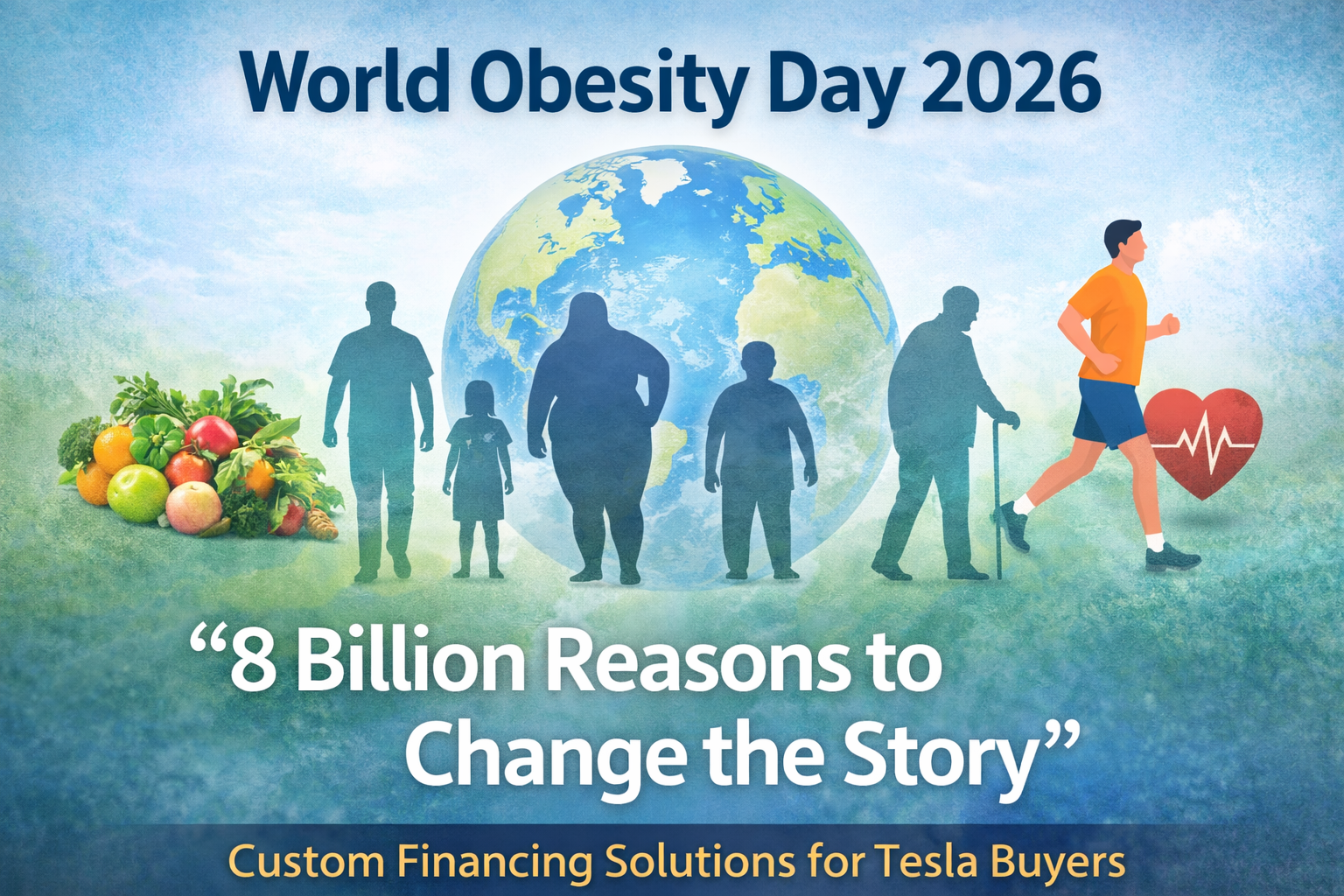
Every year on March 4, the world observes World Obesity Day to spotlight one of the most urgent public health challenges of our time. In 2026, the theme “8 Billion Reasons to Change the Story” reflects a powerful message: obesity affects people across every country, culture, and age group — and addressing it requires collective action.
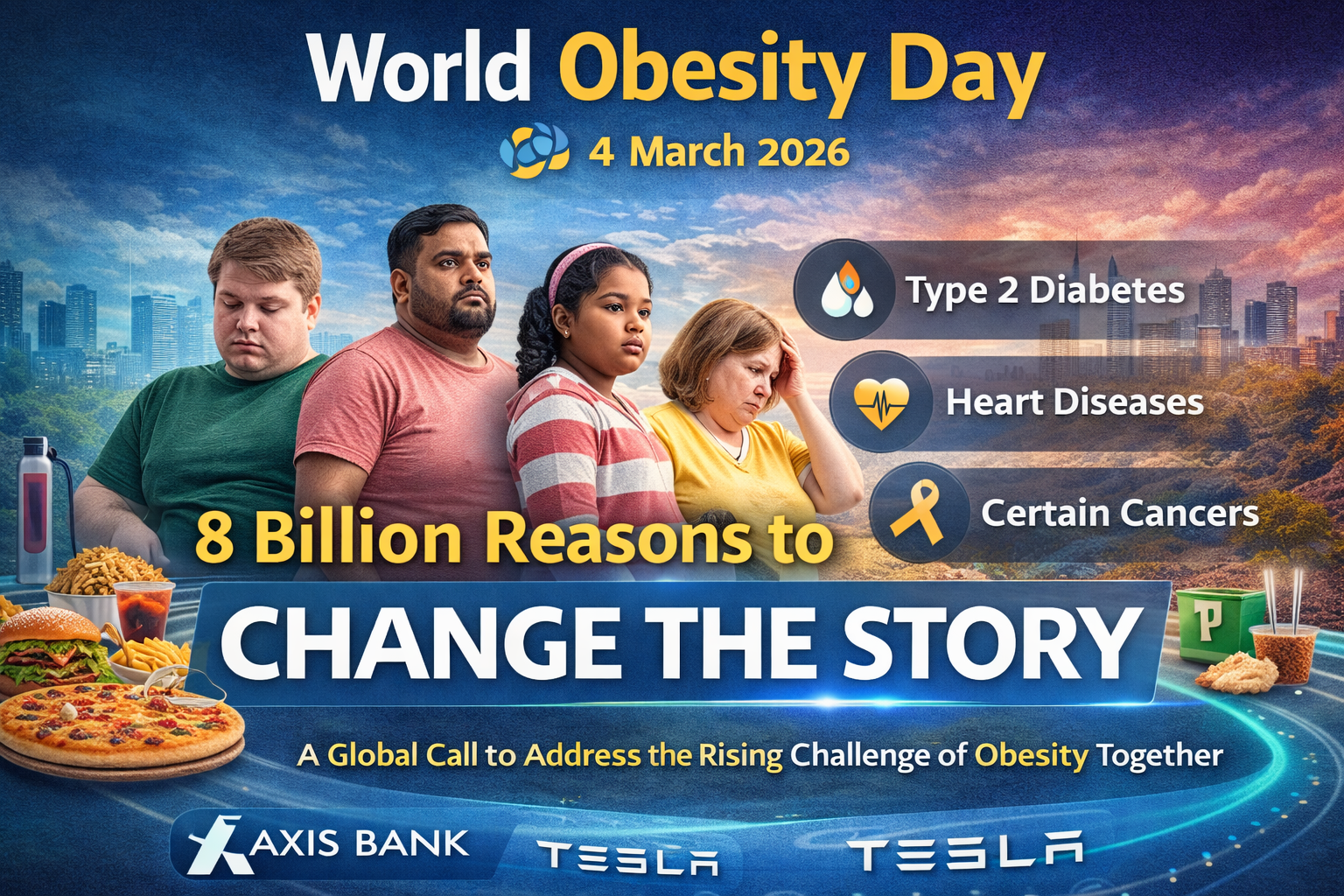
Every year on March 4, the world observes World Obesity Day to spotlight one of the most urgent public health challenges of our time. In 2026, the theme “8 Billion Reasons to Change the Story” reflects a powerful message: obesity affects people across every country, culture, and age group — and addressing it requires collective action.
A Brief History
World Obesity Day was officially launched in 2015, although awareness initiatives existed earlier. Since 2020, it has been globally observed on March 4 to unify advocacy efforts and strengthen policy dialogue.
Over time, experts have increasingly recognised obesity as a relapsing and multifactorial disease, requiring long-term, structured interventions rather than short-term lifestyle fixes.
Global Obesity: The Alarming Numbers
According to the World Health Organization (WHO), obesity has reached epidemic proportions worldwide.
Key Global Statistics (2022):
- 1 in 8 people globally were living with obesity
- More than 1 billion people were affected
- Nearly 2.5 billion adults were overweight
- Over 890 million adults were living with obesity
As per the World Obesity Atlas 2026 published by the World Obesity Federation:
- Around 180 million children (aged 5–19) were living with obesity in 2025
- The number could rise to 227 million by 2040 if stronger action is not taken
Obesity significantly raises the risk of:
- Type 2 diabetes
- Cardiovascular diseases
- Certain cancers
Children with obesity are also more likely to remain obese into adulthood, increasing long-term health risks.
A Call for Collective Action
World Obesity Day 2026 underscores that tackling obesity requires shared responsibility. Governments must prioritise preventive healthcare policies, healthcare systems must strengthen early detection and treatment, and communities must be empowered to support healthier lifestyles.
If the global conversation shifts from blame to support and from awareness to action, experts believe it is possible to slow the rising tide of obesity and protect future generations.